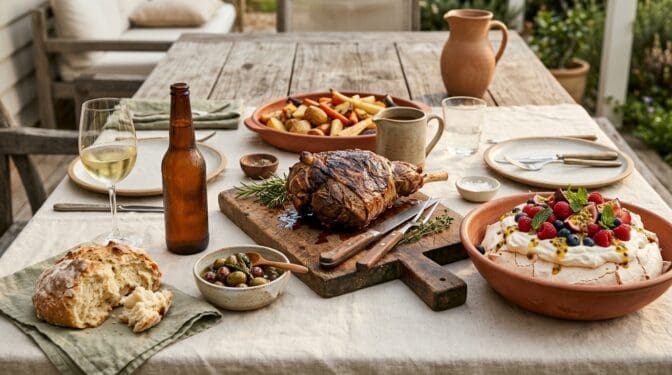
There are three great truths about Australian food and drink right now. First: we finally stopped apologising for having a cuisine. Second: the best produce in the world grows within a three-hour drive of any Australian capital city, and half the time we still order the frozen dumplings. Third: what goes with a Sunday roast in Brisbane is not the same thing that goes with a Sunday roast in Hobart, and that is the whole point.
This is the pairing room built for the country the site lives in. Roast lamb with a McLaren Vale grenache. A barbecue with a can of West End. Prawns on the boat with a Margaret River chardonnay. Sunday pavlova with a late-harvest riesling. The Yarra Valley pinot with a duck you roasted yourself.
Here is the short version. If you are cooking something slow, pour shiraz. If you are cooking something fast, pour a sparkling. If you are at the beach, drink beer. If you are at a dinner party, start with a gin and tonic and finish with something sweet from Rutherglen. If in doubt, order a Sunday roast and a grenache, and stop reading food blogs.
But if you want the long version, here it is.
Why Australian food is harder to pair than you think
The modern Australian plate borrows from everywhere: a Mediterranean base with South-East Asian pantry items, Italian technique, Chinese wok fire, an Indigenous herb drawer we are finally learning how to use properly. A good Australian menu on a good Australian Saturday night might run from fish tacos to miso eggplant to pork belly with apple slaw, and the bottle needs to keep up.
That is why we default to three rules. One: chase the sauce, not the protein. A roast chicken with a mustard cream is a white wine dish; a roast chicken with a smoked paprika rub wants a light red. Two: let the grill do the choosing. Barbecue sugar and char love a shiraz or a grenache; grilled seafood loves a semillon. Three: temperature matters more than varietal. Thirty-five-degree summer Sunday? Everything goes cold, even the red.
The cocktails that go with this food
Summer-forward, aperitivo-heavy, low ABV where possible. These are the pours we trust for an Australian lunch that goes long.
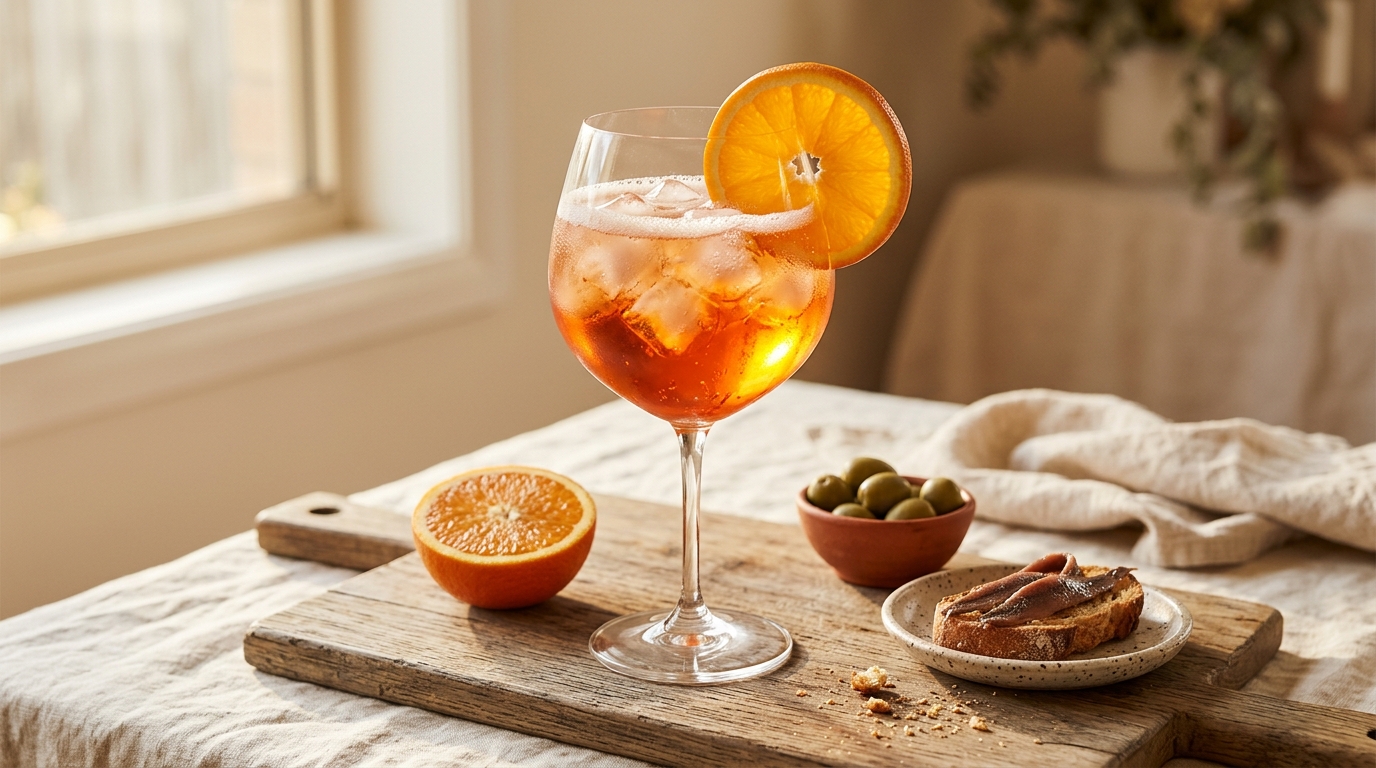
Cocktail · Aperitivo
Aperol Spritz
Before the roast lamb, before the prawns, before the slow-cooked anything. The Australian welcome drink for a reason.
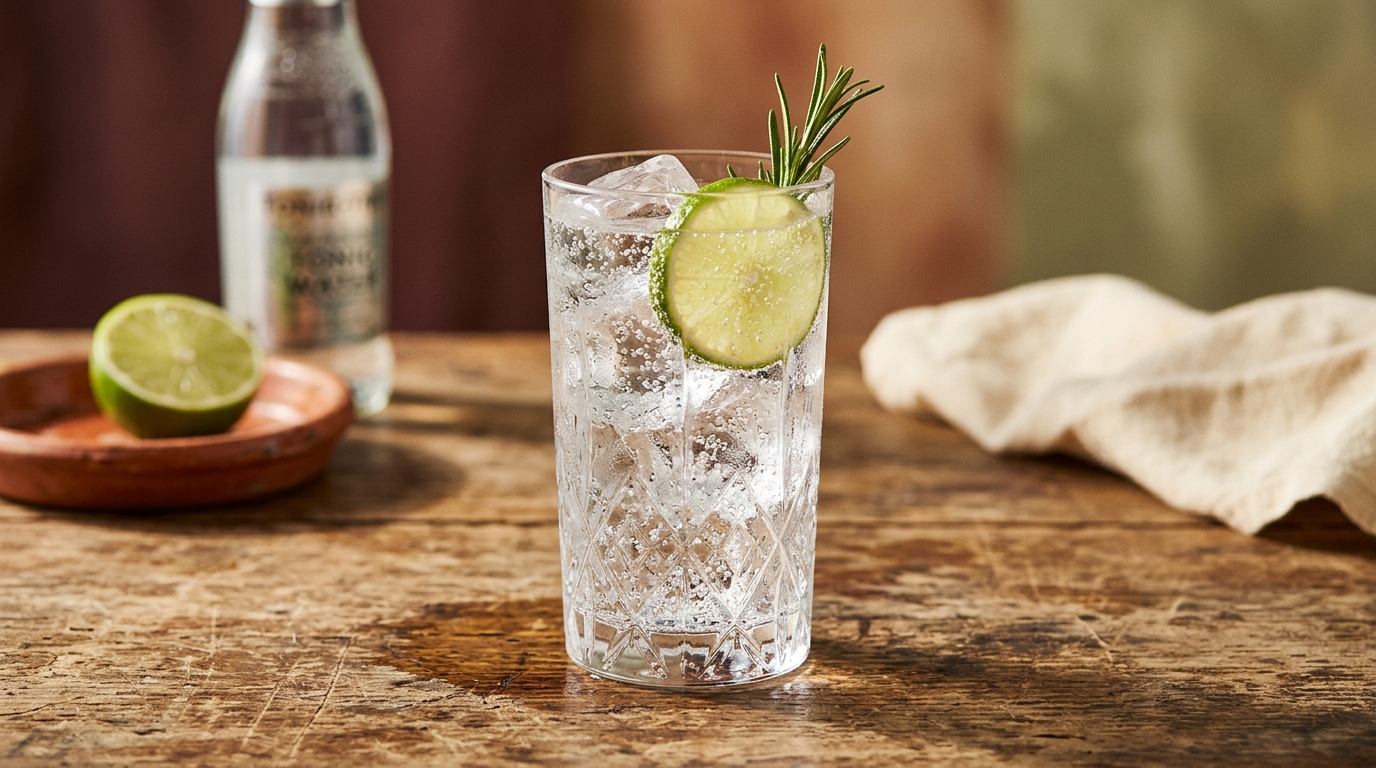
Cocktail · Gin
Gin and Tonic
An Australian gin (Four Pillars, Archie Rose, Never Never) with a proper tonic. Works with fish, cheese, and the afternoon.
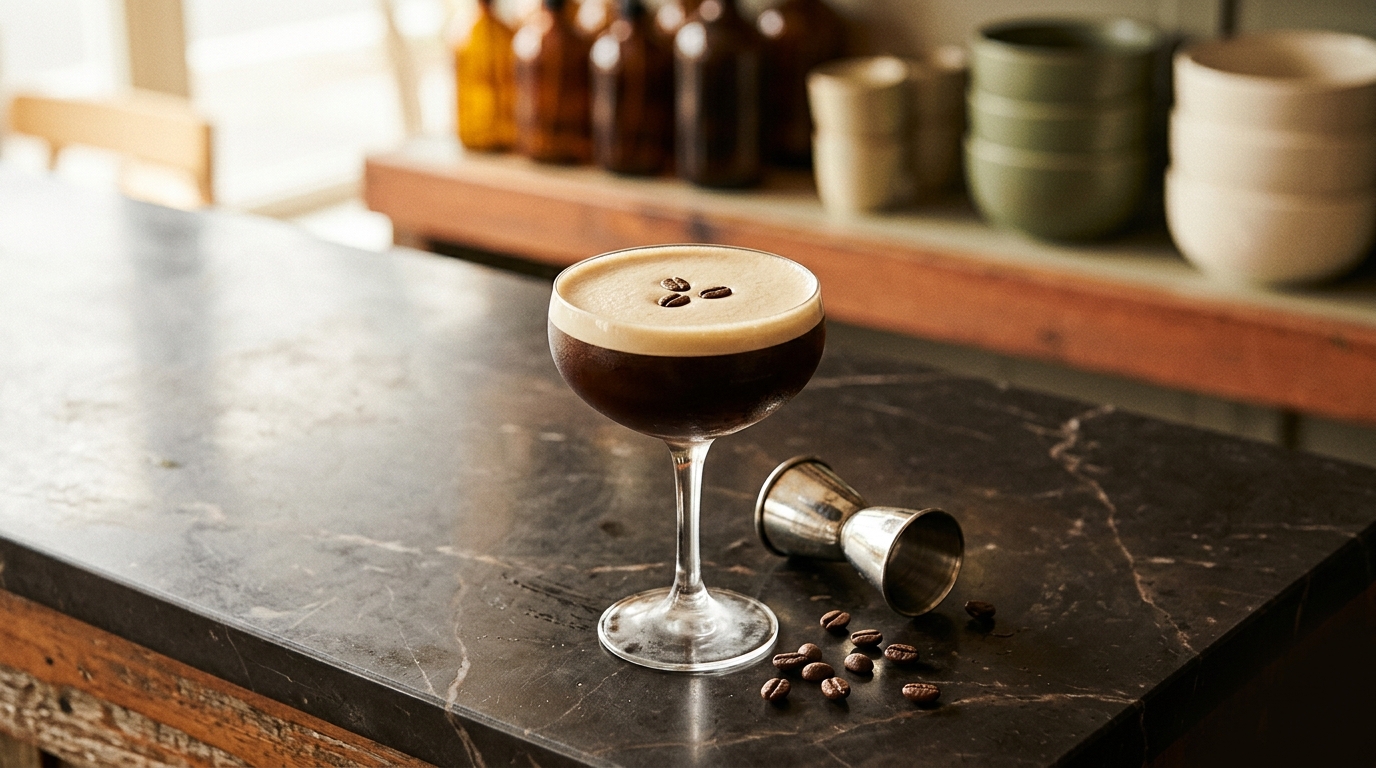
Cocktail · Vodka
Espresso Martini
Invented in London, adopted in Australia, perfected at every Melbourne dinner party. The dessert course in a glass.
The food it goes with
Our favourite Australian-first recipes to build a menu around. Every one has a bottle match.
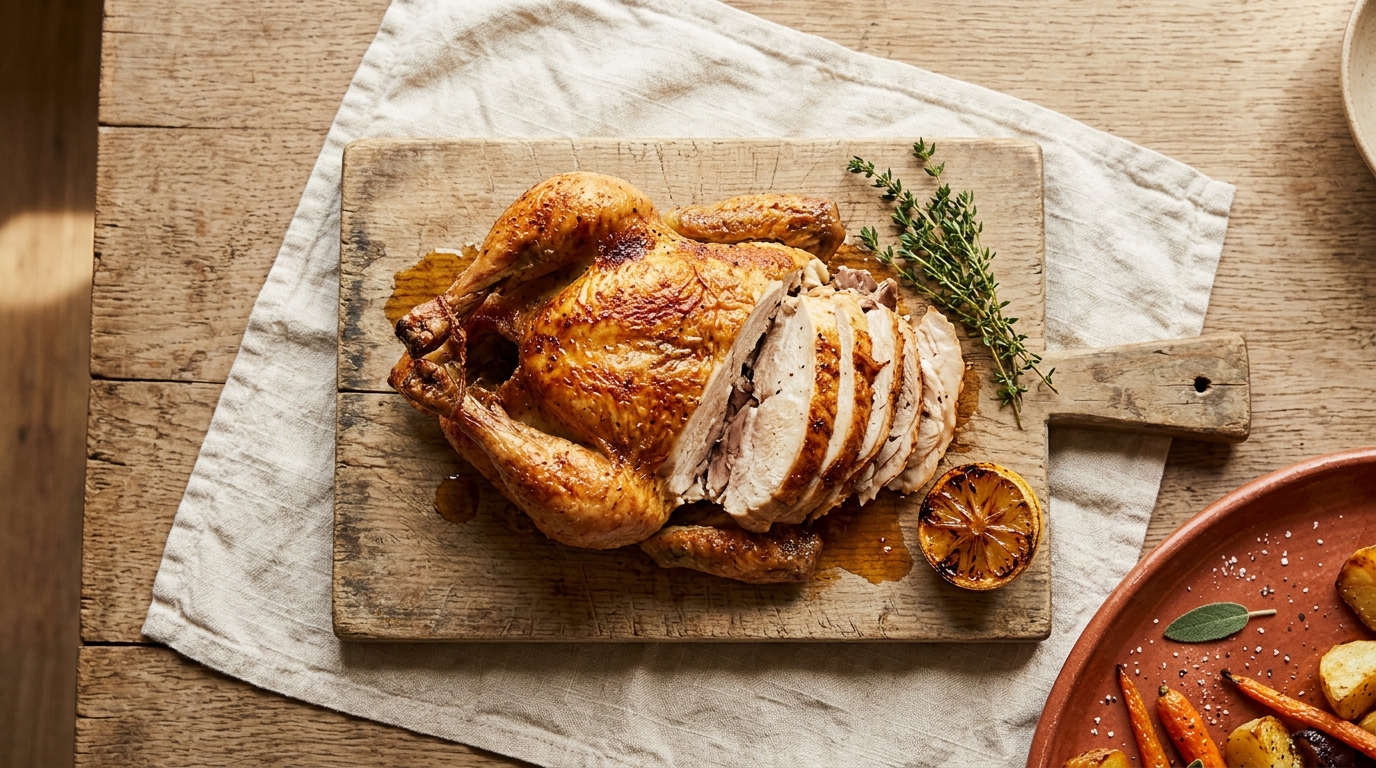
Recipe · Dinner
Sunday roast chicken
The one-pot national dish for twelve months a year. Sits with Yarra chardonnay or a Mornington pinot.
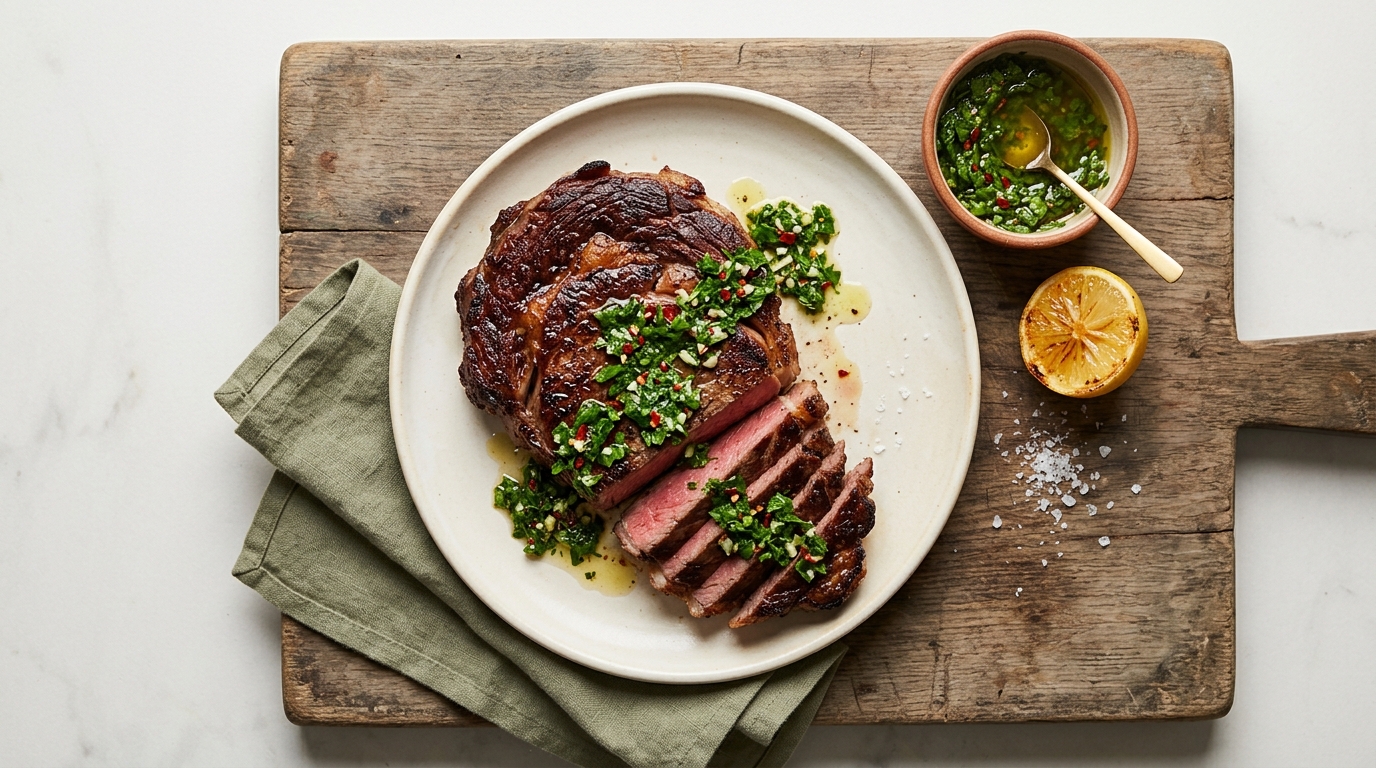
Recipe · Barbecue
Steak with chimichurri
A big backyard cook. Barossa shiraz or a cold McLaren Vale grenache, depending on the weather.
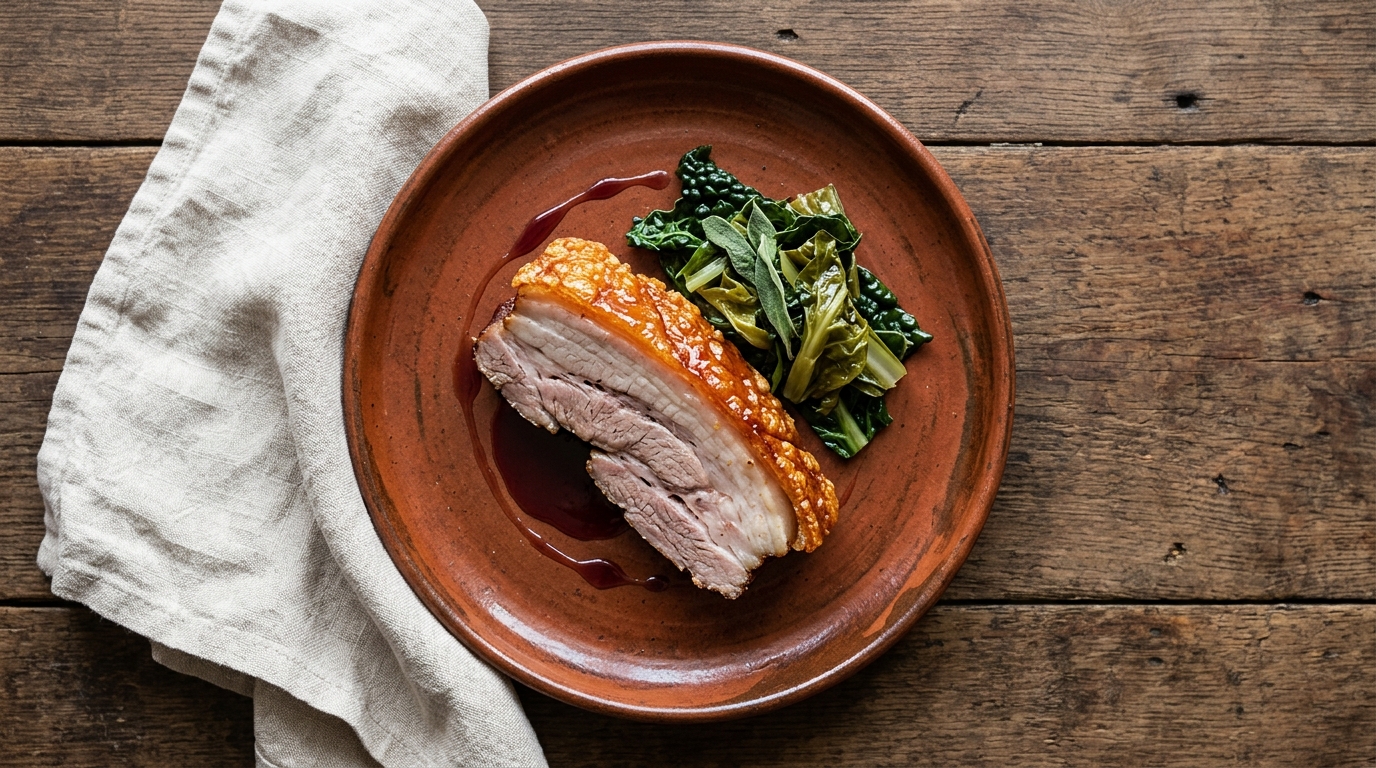
Recipe · Dinner
Pork belly with crackling
The Australian Sunday-roast cousin to the Chinese-shop classic. Off-dry riesling or a cold lager.
The bottles worth buying
Six Australian-leaning bottles that should live on your shelf. Grenache for slow meat, gin for the afternoon, ginger beer for the mule.

Four Pillars Rare Dry Gin
The best gin made in Australia. Pepperberry, lemon myrtle, juniper. Non-negotiable with fish and chips.
Read more →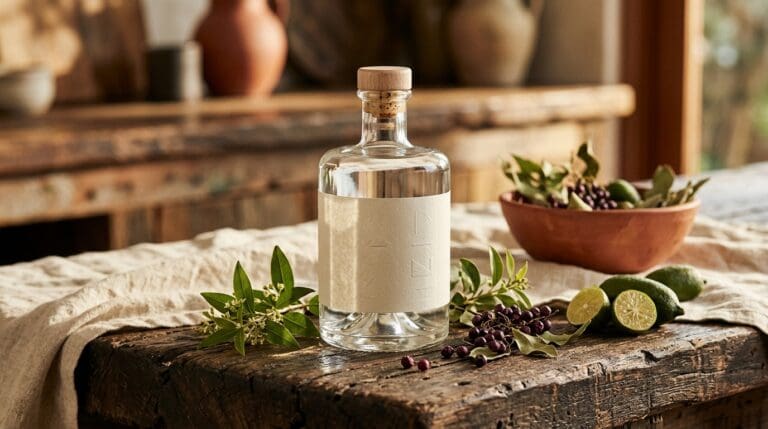
Archie Rose Signature Dry Gin
Fourteen botanicals, six native. An unapologetically Australian gin that drinks beautifully cold.
Read more →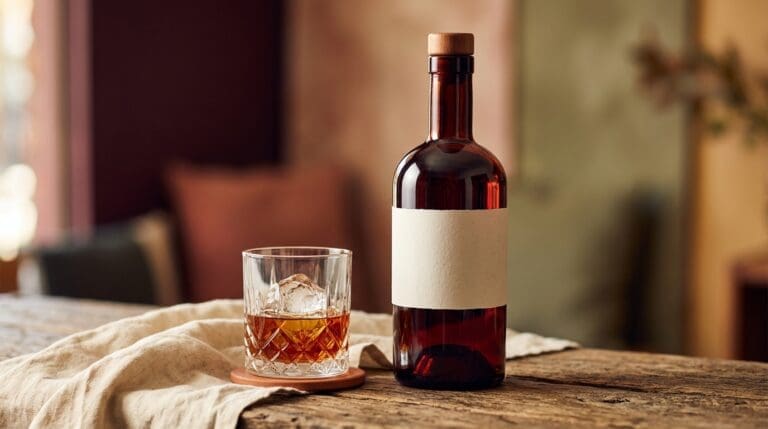
Starward Two-Fold Whisky
Melbourne single malt matured in red-wine casks. Fruit-forward, soft, beside-the-barbecue spirit.
Read more →
Aperol
The default aperitivo for every Australian summer lunch. Bright, bittersweet, pairs with anything salty.
Read more →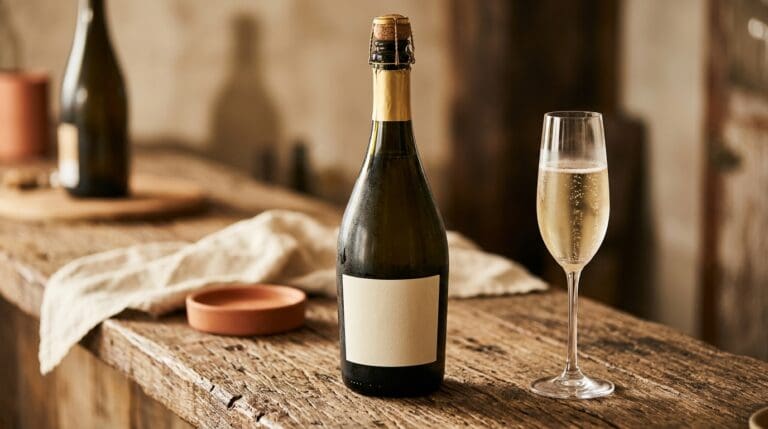
Dal Zotto Pucino Prosecco NV
King Valley prosecco that ushered in Australian prosecco as a category. Friday-night welcome bottle.
Read more →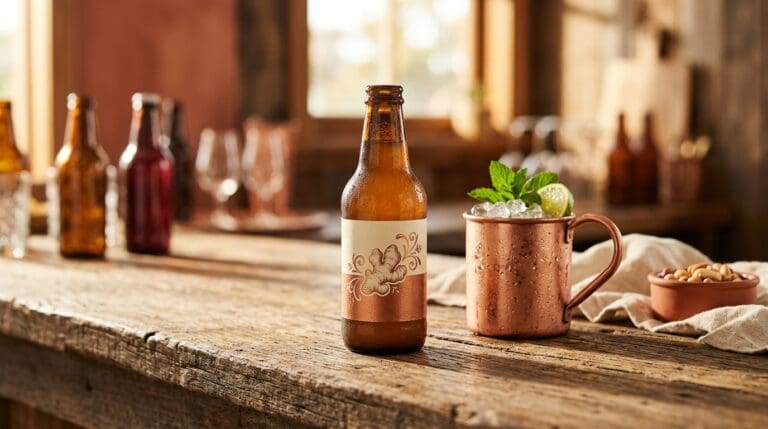
Fever-Tree Premium Ginger Beer
Three gingers. The mule maker. The only way to make a bourbon highball sing on the deck.
Read more →The Australian connection
We have spent the last fifty years importing the world’s cuisines and then adapting them to Australian produce and Australian weather. Chinese food in Australia is not Chinese food in China. Italian food in Australia is not Italian food in Italy. It is what the migrants cooked with what they could find in a Coles on a Wednesday night. That is the Australian cuisine. And that is why nothing that sits on an Australian shelf works perfectly, because the dish changes every year, and the bottle has to change with it.
But there are anchors. A good grenache from McLaren Vale will hold up to a slow-cooked anything. A riesling from Eden Valley will save a Friday-night curry. A McLaren Vale shiraz will drag a barbecue into the evening. An Australian sparkling will work with every entree you will ever put on a table in this country. And an Australian gin with a proper tonic will get you through three courses of anything you put in front of it.
The pairing quick rules
If you are serving lamb, pour grenache or shiraz. If you are serving fish, pour a cool-climate chardonnay or an Adelaide Hills sauvignon blanc. If you are serving pork, pour an off-dry riesling from Eden or Clare. If you are serving barbecue, crack a beer, and if you really must have wine, a chilled grenache beats a warm shiraz every time. If you are serving anything sweet, go to Rutherglen.